
Call: 07971670394
 Send Inquiry
 Send Inquiry
APS Pheromone Sticky Trap Roll
Price 3000.0 INR/ Piece
MOQ : 15 Pieces
APS Pheromone Sticky Trap Roll Specification
- Eco Friendly
- YES
- Shelf Life
- 3 Months
- Pest Type
- Bad Bugs
- Type
- Traps
- Power Source
- Manual
- Trap Width
- 15 cm (customizable)
- Trap Material
- Plastic film coated with entomological glue
- Usage Duration
- Up to 3 months depending on field conditions
- UV Stability
- High, suitable for outdoor conditions
APS Pheromone Sticky Trap Roll Trade Information
- Minimum Order Quantity
- 15 Pieces
- Supply Ability
- 1000 Pieces Per Week
- Delivery Time
- 2 Days
APS Pheromone Sticky Trap Roll About
APS Pheromone Sticky Trap Roll is an effective pest monitoring and control solution designed for agricultural use. It features a strong adhesive coated with pheromone attractants that lure target insect pests and trap them efficiently. The roll format allows easy cutting and customization for different crop layouts, making it convenient for use in fields, greenhouses, and orchards. It helps in early pest detection, reducing crop damage and supporting integrated pest management practices without the use of harmful chemicals.Key Features:
- Pheromone-based attraction for targeted pest species
- Strong, long-lasting sticky adhesive surface
- Roll format for easy cutting and installation
- Suitable for open fields, greenhouses, and orchards
- Chemical-free pest management solution
Benefits:
- Enables early pest detection and monitoring
- Reduces crop damage and improves yield protection
- Supports eco-friendly Integrated Pest Management (IPM)
- Minimizes need for chemical pesticides
- Cost-effective and easy to deploy across large areas
Advanced Pest Control Made Simple
APS Pheromone Sticky Trap Roll offers farmers a highly effective, sustainable tool for combating flying insect pests. Its non-toxic adhesive attracts and captures pests while being gentle on beneficial insects. Install above crop canopies or field perimeters for optimal monitoring and mass trapping. This solution is customizable to your field size, with a long-lasting adhesive and strong resistance to sunlight and water, ensuring continuous protection throughout the growing season.
Customizable and Long-lasting Design
With trap lengths up to 200 meters and a customizable 15 cm width, this sticky roll adapts to your unique agricultural space. The water- and sunlight-resistant glue provides consistent trapping performance, and its high UV stability makes it suitable for outdoor use in varied climates. The sturdy roll form allows for convenient installation and reusability, meeting the demands of intensive farming and greenhouse environments.
FAQ's of APS Pheromone Sticky Trap Roll:
Q: How is the APS Pheromone Sticky Trap Roll installed in the field?
A: To install, suspend the sticky trap roll above the crop canopy or around the perimeter of the field using suitable supports or wires. Adjust the height according to the target pests' flight habits for maximum effectiveness.Q: What types of insect pests does this sticky trap target?
A: The trap is designed to attract and capture whiteflies, aphids, thrips, leafminers, and a variety of other flying insect pests commonly found in agricultural and greenhouse settings.Q: When should I replace or reposition the sticky trap roll?
A: The trap can be used effectively for up to 3 months, depending on pest pressure and field conditions. Replace or reposition the roll when it becomes heavily covered with insects or dust, or every three months to maintain trapping efficiency.Q: Where should the sticky trap roll be placed for best results?
A: Place the roll above the canopy of crops or along the field perimeter to intercept pests as they approach plants. Optimal placement increases pest attraction while minimizing impact on non-target and beneficial species.Q: What is the process for using the APS Sticky Trap Roll?
A: Unroll the required length of the sticky film and secure it in place using hooks or ties. Ensure the yellow surface remains exposed, as this color attracts the target pests. Monitor traps regularly for pest counts and replace as needed.Q: Is the APS Sticky Trap Roll safe for beneficial insects and the environment?
A: Yes, the trap features a selective design and non-toxic adhesive that minimize impacts on beneficial insects. It contains no harmful residues, making it an eco-friendly, safe choice for pest control.Q: What are the main benefits of using this sticky trap roll in agriculture?
A: The APS Sticky Trap Roll provides early pest detection, effective mass trapping, reduced reliance on chemical pesticides, and enhanced crop protection. Its customizable length, durability, and ease of installation make it a valuable tool for sustainable agriculture.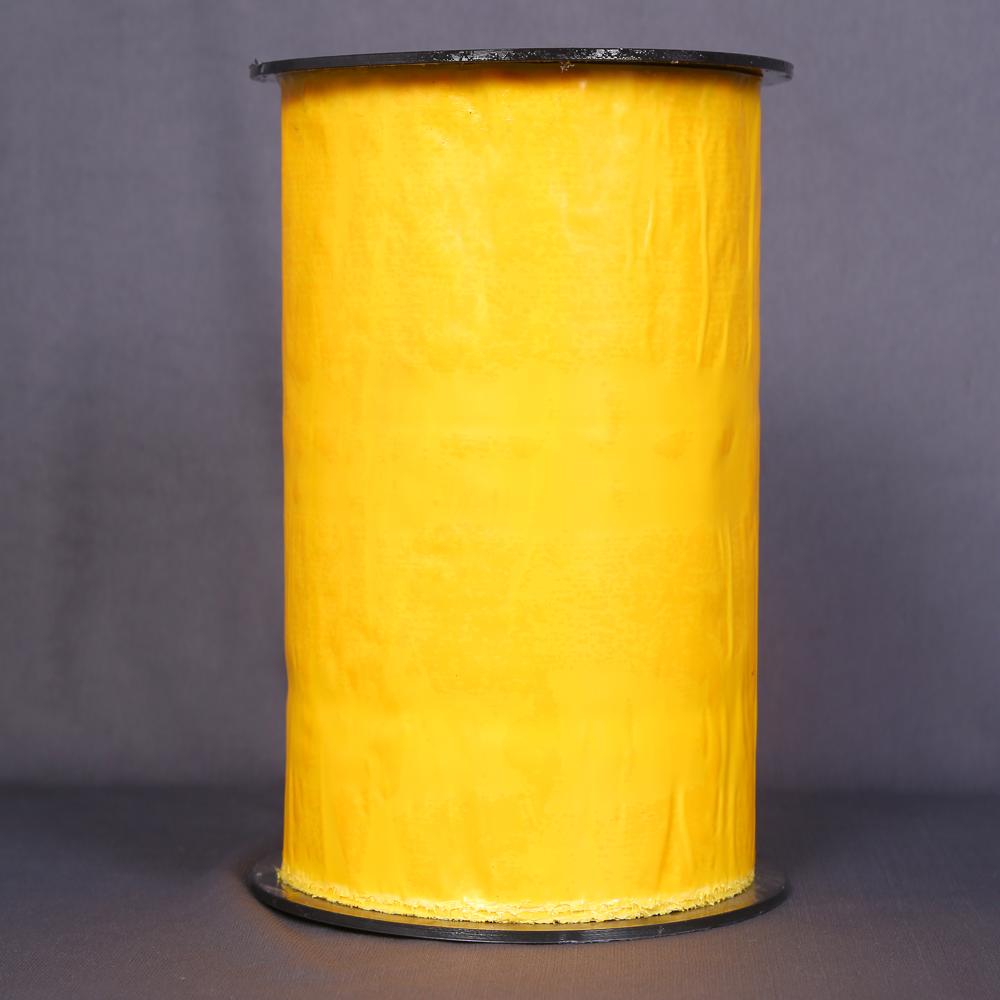
Tell us about your requirement

Price:
Quantity
Select Unit
- 50
- 100
- 200
- 250
- 500
- 1000+
Additional detail
Mobile number
Email

More Products in Sticky Trap Category
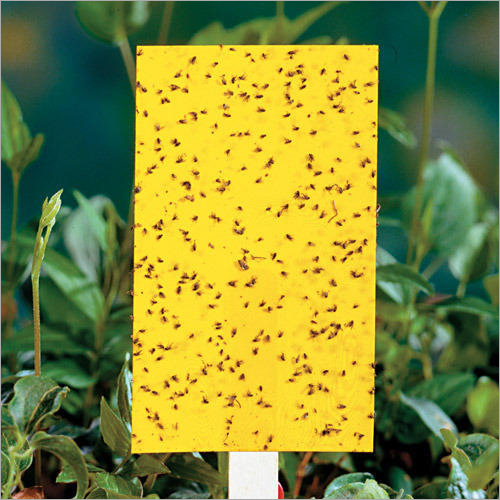
Insect Yellow Sticky Trap
Price 9.00 INR / Piece
Minimum Order Quantity : 15 Pieces
Type : Others
Material : Plastic
Usage : Commercial & Agricultural
Pest Type : Spiders
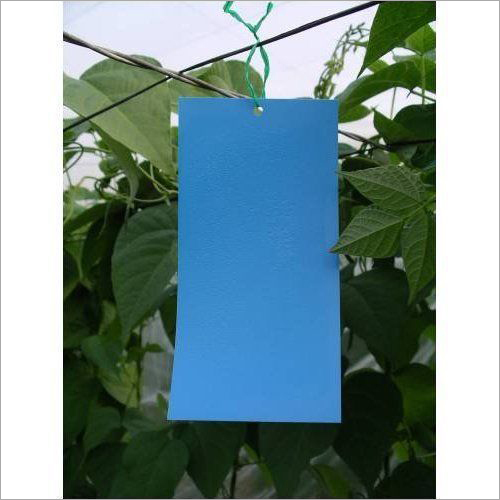
Blue Sticky Trap
Price 9.00 INR / Piece
Minimum Order Quantity : 20 Pieces
Type : Others
Material : Plastic
Usage : Commercial & Agricultural
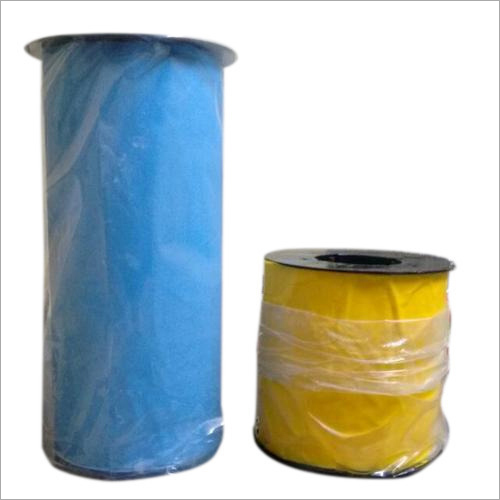
Roller Sticky Trap
Price 1500.0 INR / Piece
Minimum Order Quantity : 1 Piece
Type : Others, Sticky Trap
Material : Plastic
Usage : Commercial & Agricultural
Pest Type : Others, Whitefly, thrips, aphids, leaf miners, flying insects

Yellow Pest Glue Sticky Trap
Price 20.00 INR / Piece
Minimum Order Quantity : 15 Pieces
Type : Others
Material : Plastic
Usage : Commercial & Agricultural
Pest Type : Flies

Contact Details
AGRI PHERO SOLUTIONZ
GST : 36BSQPP2484L1ZW
- Plot No.820, CIPET College backside, Near mysamma Temple, B.N Reddy Nagar, Cherlapally,Hyderabad - 500051, Telangana, India
- Phone :07971670394
 Send Inquiry
Developed and Managed by Infocom Network Private Limited.


