
Call: 07971670394
 Send Inquiry
 Send Inquiry
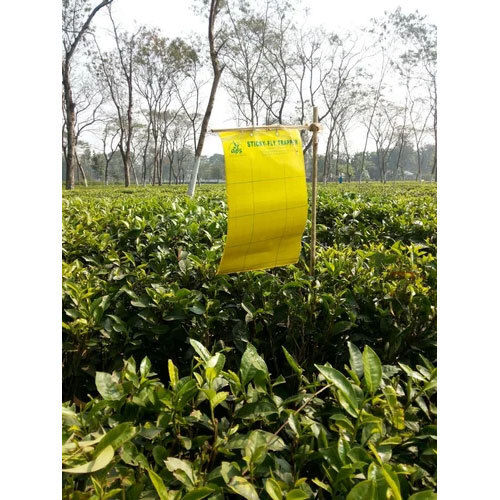
Insect Yellow Sticky Trap
Price 9.00 INR/ Piece
MOQ : 15 Pieces
Insect Yellow Sticky Trap Specification
- Shelf Life
- 3 Months
- Pest Type
- Spiders
- Type
- Others
- Material
- Plastic
- Usage
- Commercial & Agricultural
- Safety
- Safe for crops, environment, pollinators and humans
- Trap Size
- Typically 6 x 8 inches (other sizes available)
- Mode of Action
- Attracts insects with color, traps them on sticky surface
- Material
- Plastic sheet coated with eco-friendly adhesive
- Target Pests
- Whiteflies, thrips, aphids, leafminers, fungus gnats and other flying insects
- UV Resistance
- Yes
- Shelf Life
- 12-24 months under proper storage
- Water Resistance
- Yes
- Usage Duration
- Up to 30 days depending on field conditions
- Storage
- Store in a cool, dry place away from direct sunlight
- Installation Method
- Hang above crop canopy or attach to support stakes
Insect Yellow Sticky Trap Trade Information
- Minimum Order Quantity
- 15 Pieces
- Payment Terms
- Cash Advance (CA)
- Supply Ability
- 100000 Pieces Per Month
- Delivery Time
- 2 Days
- Main Domestic Market
- All India
Insect Yellow Sticky Trap About
The bright yellow color naturally attracts pests such as whiteflies, aphids, leaf miners, fungus gnats, and other flying insects. Once attracted, the insects get trapped on the strong adhesive surface, helping to reduce pest populations and protect crops from damage.
Key Features
- Chemical-free and environmentally safe.
- Durable, lightweight, and weather-resistant design.
- Easy to install and replace.
- Suitable for indoor and outdoor use.
- Helps monitor pest activity and infestation levels.
Benefits
- Controls whiteflies, aphids, leaf miners, fungus gnats, and other flying pests.
- Reduces crop damage and improves plant health.
- Supports pesticide-free and sustainable pest management.
Effective, Non-Toxic Pest Control
Designed for safety and effectiveness, the Insect Yellow Sticky Trap captures flying pests without the use of chemicals. The physical adhesion method targets common agricultural pests while posing no risk to crops, pollinators, the environment, or human health.
Durable and Weather-Resistant Design
Constructed from robust plastic, these traps withstand various field conditions. They are water and UV resistant, ensuring reliable pest trapping performance for up to 30 days depending on environmental factors.
Easy Installation for Maximum Coverage
Installation is simple and versatile: hang traps above crop canopies or attach them to stakes for optimal placement. Recommended usage is typically 50-100 traps per acre, ensuring comprehensive pest monitoring and control in agricultural or horticultural settings.
FAQ's of Insect Yellow Sticky Trap:
Q: How do the Insect Yellow Sticky Traps attract and capture flying pests?
A: The traps use a bright yellow color to attract flying insects such as whiteflies, aphids, and gnats. Once the pests are drawn to the trap, they become immobilized on the non-toxic, pressure-sensitive adhesive surface.Q: What is the recommended installation process for these sticky traps?
A: To install, simply hang the traps above the crop canopy or attach them to support stakes at pest flight level. This ensures the traps are accessible to target pests and maximizes trapping efficiency.Q: When should I replace the sticky traps in my fields?
A: Replace the traps every 30 days or sooner if the surface becomes covered with insects or dust. Usage duration may vary depending on the level of infestation and environmental conditions.Q: Where are these sticky traps commonly used?
A: These traps are widely used in agricultural fields, greenhouses, and horticultural settings for both monitoring and controlling flying insect pest populations.Q: What are the main benefits of using yellow sticky traps over chemical alternatives?
A: Yellow sticky traps offer a non-chemical pest control solution, making them safe for the environment, crops, pollinators, and humans. They help reduce pesticide usage and facilitate effective pest monitoring.Q: How should I store unused sticky traps to maintain their effectiveness?
A: Store traps in a cool, dry place away from direct sunlight. Proper storage can extend their shelf life to 12-24 months.Q: What pests can these traps help manage in agricultural environments?
A: They are effective against whiteflies, thrips, aphids, leafminers, fungus gnats, and other flying pest species commonly found in crops and horticultural areas.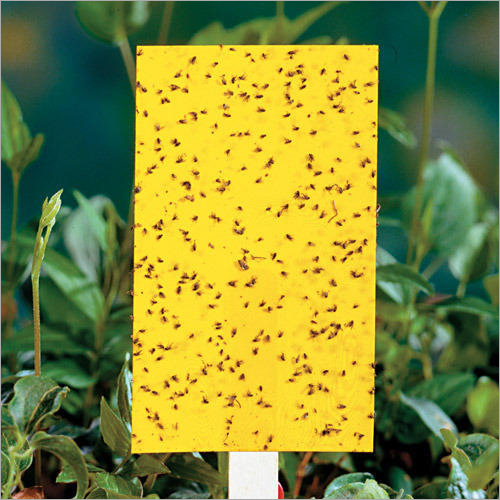
Tell us about your requirement

Price:
Quantity
Select Unit
- 50
- 100
- 200
- 250
- 500
- 1000+
Additional detail
Mobile number
Email

More Products in Sticky Trap Category
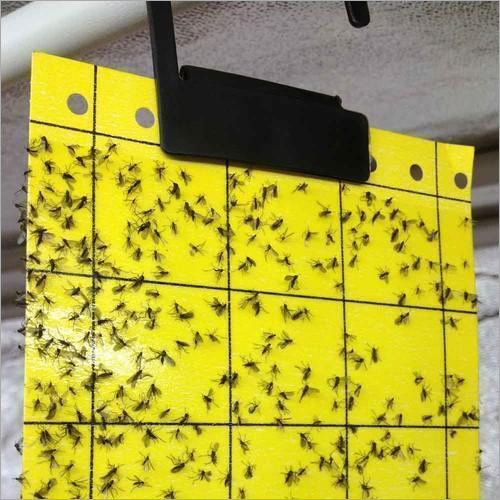
Pheromone Yellow Sticky Trap
Price 20.00 INR / Paint
Minimum Order Quantity : 15 Paints
Type : Others, Sticky Trap
Release Type : Other, Controlled Release (through sticky surface)
Chemical Name : Other, N/A (No chemical, nontoxic)
Physical State : Other, Sheet / Plate
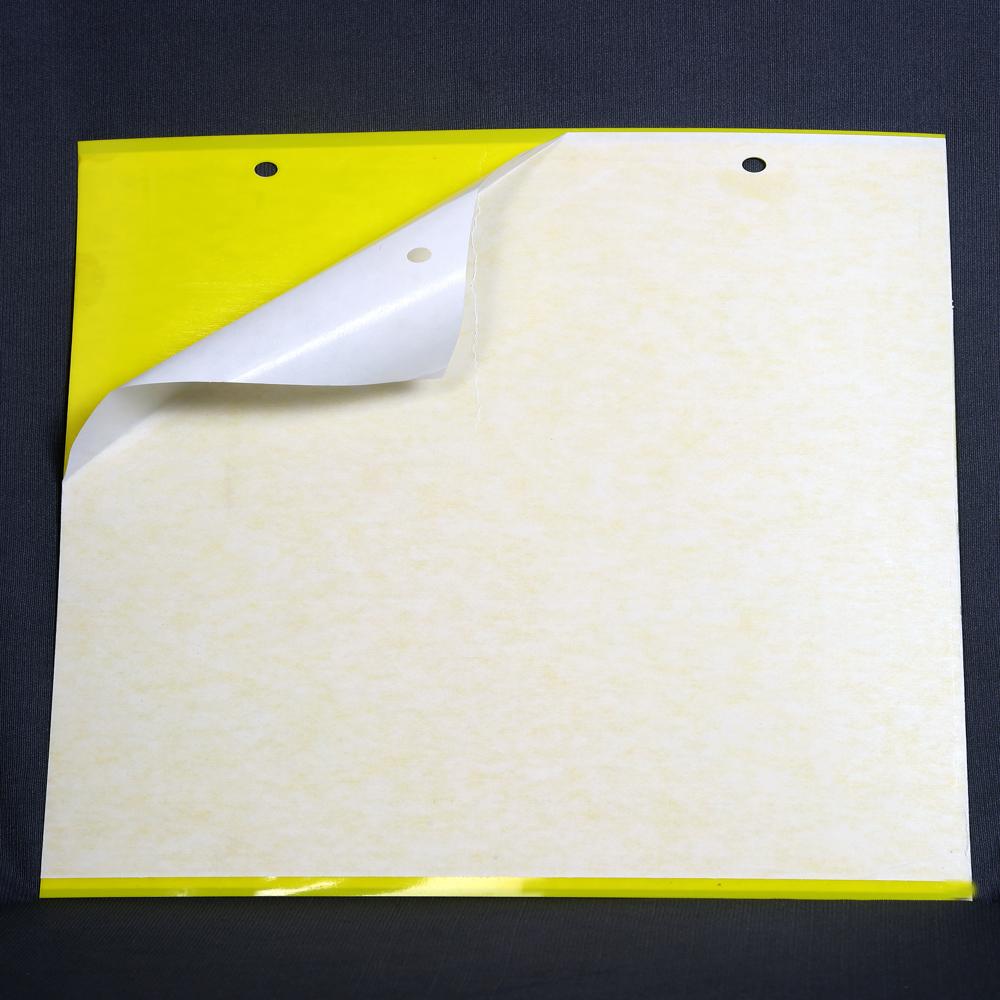
Yellow Sticky Trap
Price 20.00 INR / Piece
Minimum Order Quantity : 15 Pieces
Type : Others, Sticky Trap
Release Type : Other, Slow release (passive)
Chemical Name : Other, N/A (Nonchemical adhesive trap)
Physical State : Other, Solid sheet
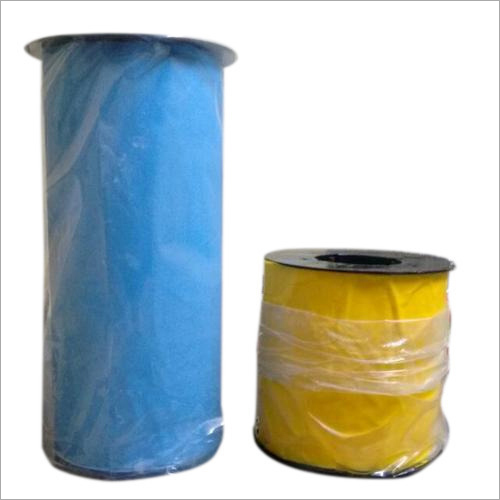
Roller Sticky Trap
Price 1500.0 INR / Piece
Minimum Order Quantity : 1 Piece
Type : Others, Sticky Trap
Yellow Pest Glue Sticky Trap
Price 20.0 INR / Piece
Minimum Order Quantity : 15 Pieces
Release Type : Controlled
Chemical Name : Other, Nontoxic adhesive (Polyolefin based glue)
Physical State : Other, Solid

Contact Details
AGRI PHERO SOLUTIONZ
GST : 36BSQPP2484L1ZW
- Plot No.820, CIPET College backside, Near mysamma Temple, B.N Reddy Nagar, Cherlapally,Hyderabad - 500051, Telangana, India
- Phone :07971670394
 Send Inquiry
Developed and Managed by Infocom Network Private Limited.


