
Call: 07971670394
 Send Inquiry
 Send Inquiry
Fall Armyworm Pheromone Trap
Price 20.00 INR/ Piece
MOQ : 15 Pieces
Fall Armyworm Pheromone Trap Specification
- Shelf Life
- 3
- Eco Friendly
- YES
- Pest Type
- bees
- Type
- Traps
- Shelf Life
- Lure: 1-2 years unopened, Trap: reusable
- Lure Longevity
- 30-45 days (depending on weather conditions)
- Trap Type
- Delta/Water/Universal (based on supplier)
- Safe to Non-targets
- Yes, species-specific pheromone
- Installation Height
- Above canopy or at crop height
- Target Pest
- Fall Armyworm (Spodoptera frugiperda)
- Material
- UV stabilized plastic for outdoor durability
- Usage Area
- Suitable for maize, sorghum, and other host crops
- Trap Dimensions
- Approx. 20 cm height x 14 cm diameter
- Environmental Impact
- Non-toxic, eco-friendly, pesticide-free trapping
Fall Armyworm Pheromone Trap Trade Information
- Minimum Order Quantity
- 15 Pieces
- Supply Ability
- 1000 Pieces Per Day
- Delivery Time
- 2 Days
Fall Armyworm Pheromone Trap About
Fall Armyworm Pheromone Trap is a highly effective pest monitoring and management tool designed to attract and capture male fall armyworm moths (Spodoptera frugiperda). The trap uses a species-specific pheromone lure that mimics the natural scent released by female moths, attracting male moths into the trap where they are captured.
This trap helps farmers detect fall armyworm infestations at an early stage, monitor pest population levels, and take timely control measures before severe crop damage occurs. It is widely used in Integrated Pest Management (IPM) programs as an eco-friendly and cost-effective alternative to excessive pesticide use.
Key Features
- Specifically designed for monitoring and trapping Fall Armyworm (Spodoptera frugiperda).
- Uses a species-specific pheromone lure for accurate pest attraction.
- Durable and weather-resistant construction.
- Easy to install and maintain in field conditions.
- Suitable for pest monitoring and mass trapping programs.
- Chemical-free and environmentally friendly.
- Compatible with Integrated Pest Management (IPM) practices.
Benefits
- Detects fall armyworm infestations at an early stage.
- Helps farmers make timely pest management decisions.
- Reduces crop damage and yield losses.
- Minimizes unnecessary pesticide applications.
- Supports sustainable and eco-friendly farming.
- Improves crop health and productivity.
Efficient Pest Monitoring and Control
This pheromone trap is tailored to attract and capture Fall Armyworm by releasing a high-purity, species-specific
pheromone. Its controlled release targets the pest precisely, aiding both in population monitoring and in mass trapping to reduce infestations without chemicals.
Eco-Friendly and Safe Solution
Made from UV-stabilized plastic and featuring a pesticide-free design, the trap prioritizes environmental safety. It does not harm beneficial insects or non-target species, making it ideal for integrated pest management strategies in agricultural fields.
Long-Lasting and Reusable Design
With proper care, the trap body can be reused across multiple seasons. The pheromone lure remains active for 30-45 days and has a shelf life of up to two years when unopened, offering a cost-effective pest management solution.
FAQ's of Fall Armyworm Pheromone Trap:
Q: How do I install the Fall Armyworm Pheromone Trap in my field?
A: To install the trap, place it above the crop canopy or at crop height using a support or hanging arrangement. Ensure the lure is activated and positioned properly within the trap. Follow the spacing recommendation of one trap per acre or as advised by local experts.Q: What is the primary purpose of using this pheromone trap?
A: The trap is designed for monitoring and mass trapping of Fall Armyworm (Spodoptera frugiperda), helping growers to detect infestations early and manage populations without pesticides.Q: When should the pheromone lure be replaced?
A: Replace the pheromone lure every 30-45 days, depending on local weather conditions. This ensures continued attraction and trapping efficiency throughout the pest season.Q: Where is this trap most effectively used?
A: The trap is most effective in fields of maize, sorghum, and other crops susceptible to Fall Armyworm, and should be installed where crop infestation risk is highest or for routine monitoring.Q: What materials make up the trap and how does it withstand outdoor use?
A: The trap is made from UV stabilized plastic, which is durable and designed to endure exposure to sunlight, rain, and varying outdoor conditions, maintaining its effectiveness throughout the cropping season.Q: Is the pheromone trap environmentally safe and non-toxic?
A: Yes, the pheromone trap uses a non-toxic, eco-friendly approach, targeting only Fall Armyworm and not affecting beneficial or non-target insect species.Q: What are the benefits of using this trap over chemical pesticides?
A: The trap offers species-specific pest management without harmful chemicals, preserving beneficial insects, reducing environmental impact, and promoting sustainable agriculture.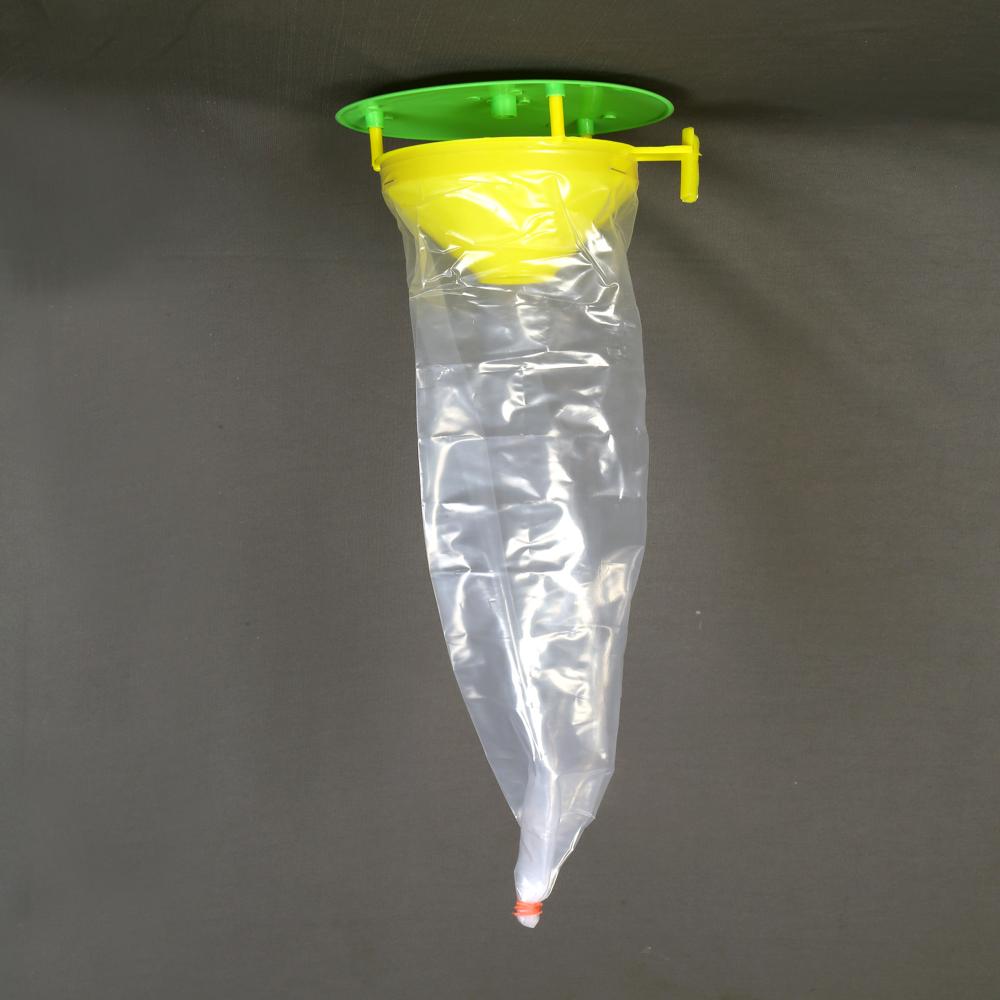
Tell us about your requirement

Price:
Quantity
Select Unit
- 50
- 100
- 200
- 250
- 500
- 1000+
Additional detail
Mobile number
Email

More Products in Pheromone Trap Category
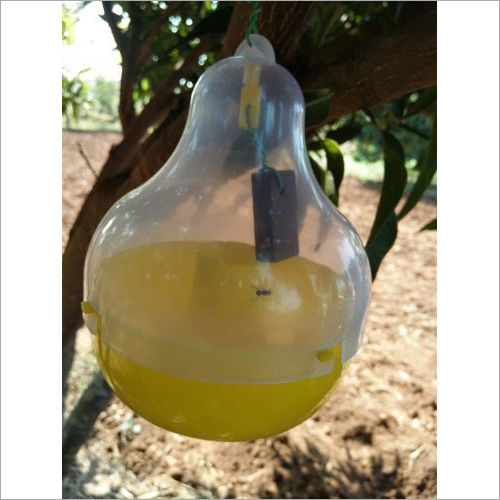
Pheromone Insect Trap
Price 45.0 INR / Piece
Minimum Order Quantity : 5 Pieces
Color : Other, Transparent/Green (as per image)
Dosage : 1 trap per 100 sq.m. (varies by target insect and crop)
Packaging : Individual sealed units/boxes
Classification : Other, Pest Control
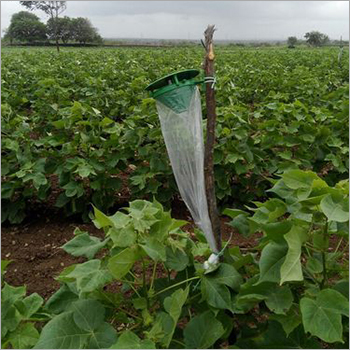
Pheromone Funnel Trap
Price 20.0 INR / Piece
Minimum Order Quantity : 15 Pieces
Color : Other, Green top, translucent/white funnel, and collection chamber
Dosage : One trap per specified area per crop guideline
Packaging : Individually packed in polybags or corrugated boxes
Classification : Other, Insect Trap
Pink Bollworm Pheromone
Price 20.0 INR / Piece
Minimum Order Quantity : 15 Pieces
Color : Other, Green (Trap), White (Septa)
Dosage : 1 trap per acre, replace lure every 3045 days
Packaging : Individual Polybag Pack, 50/100 traps per carton
Classification : Other, Pheromone Trap

Contact Details
AGRI PHERO SOLUTIONZ
GST : 36BSQPP2484L1ZW
- Plot No.820, CIPET College backside, Near mysamma Temple, B.N Reddy Nagar, Cherlapally,Hyderabad - 500051, Telangana, India
- Phone :07971670394
 Send Inquiry
Developed and Managed by Infocom Network Private Limited.


